

Locum tenens in Wisconsin: How one anesthesiologist found freedom, purpose, and a place to call home
March 19, 2026
For many physicians, the later stages of their careers bring new questions: How can I keep practicing medicine without burnout? Is it possible to stay professionally engaged while regaining control over my time? And can I still make a meaningful impact without the administrative burden of full-time employment?
For Dr. Zec Slobodan, an anesthesiologist with an extraordinary international journey, the answer has been clear: locum tenens in Wisconsin.
Now in his seventies and practicing exclusively as a locum physician, Dr. Slobodan has built a fulfilling second act—one defined by flexibility, professional respect, and a deep connection to the communities he serves.
From Yugoslavia to the Midwest: A global path to medicine
Dr. Slobodan’s medical career began far from Wisconsin. Born in a small village in what was once Yugoslavia, he grew up in Bosnia before completing medical school in Belgrade, Serbia. He trained as a general surgeon and spent years practicing in his hometown—until the Balkan conflict reshaped everything.
In 1992, he arrived in the United States as a refugee, settling in Milwaukee, where relatives helped him get established. After learning English and navigating the U.S. medical system, he worked as a surgical assistant and later as part of a renowned cardiac surgery team. With their support, he earned a residency position in anesthesiology at the Medical College of Wisconsin, completing his training in 2004.
What followed was a long and successful career practicing anesthesia across Wisconsin—first in full-time roles, then in private practice, and eventually in locum tenens.
Discovering locums as a long-term fit
Dr. Slobodan began exploring locum tenens in 2017, initially as a way to transition out of full-time employment. What started as short-term assignments quickly became something more.
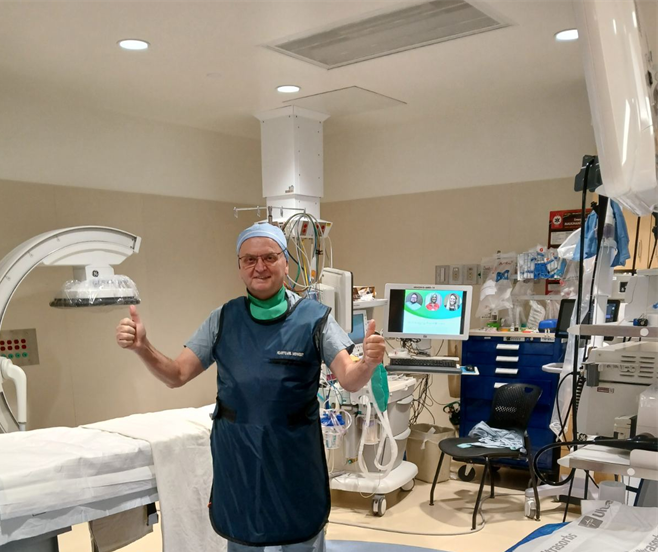
Locums gives you more freedom in budgeting your own time—vacations, days off, and where you want to work. That’s a huge advantage, especially later in your career.
Today, he practices exclusively as a locum anesthesiologist. For him, the appeal is simple: no administrative politics, no long-term contracts, and no pressure beyond doing what he loves—caring for patients safely and effectively.
“I go in, do my job well, make sure everything is safe, and go back to my hotel or home,” says Dr. Slobodan. “That peace of mind is priceless.”
Practicing in Wisconsin: Professionalism, teamwork, and trust
Wisconsin has become Dr. Slobodan’s anchor. He has completed multiple locum tenens assignments in Wisconsin, including assignments with Ascension—a large, nationally ranked health system serving communities across the state.
Facilities like Ascension Mercy in Oshkosh and Ascension St. Elizabeth in Appleton offer a mix of community-based care and advanced clinical resources. For Dr. Slobodan, the culture stands out.
“The systems are very well organized,” he says. “The CRNAs are highly trained, the physicians work well together, and there is a strong focus on patient safety.”
He notes that smaller hospitals offer a slower pace and a simpler case mix, while larger facilities offer greater complexity and collaboration. Both, he says, are rewarding in different ways and ideal environments for experienced physicians looking to stay engaged without unnecessary stress.
Why locum doctors are needed in Wisconsin
Like many states, Wisconsin faces a growing shortage of physicians—especially in rural and underserved communities. Nearly 83% of counties in the state are designated as fully or partially underserved, and while about 28% of Wisconsin residents live in rural areas, only around 11% of physicians practice there. With an aging population and many physicians nearing retirement, the gap is expected to widen in the coming decade.
For hospitals in these communities, maintaining access to surgical, obstetric, and specialty services can be challenging without consistent staffing. Locum tenens physicians help fill those critical gaps, ensuring patients don’t face delayed procedures, long travel distances, or disruptions in care.
Physicians like Dr. Slobodan understand that impact firsthand. Throughout his locum tenens assignments in Wisconsin, he has stepped into facilities that rely on experienced anesthesiologists to keep operating rooms running safely and efficiently.
“It’s a good match,” Dr. Slobodan says. “You’re helping places that need support, and you’re doing it on your own terms.”
Community, culture, and quality of life
Beyond the hospital walls, Wisconsin offers something equally important: quality of life.
For Dr. Slobodan, geography matters. Most of his locum tenens assignments in Wisconsin are within driving distance of his home, so he can return on weekends when he’s not on call. That proximity makes locums sustainable long-term.
“You can make it within a day,” he says. “That makes a big difference.”
When he’s not in the OR, he stays active. An avid cyclist, he rides nearly every day when the weather allows. He and his wife also spend time working outdoors on their shoreline property—projects that keep him physically engaged and grounded outside of medicine.
Wisconsin’s balance of nature and culture appeals to him. He values the state’s changing seasons and access to outdoor space, as well as its arts scene. Madison is close enough for an evening at the symphony, and Milwaukee offers concerts and events year-round.
Just as important is the culture inside and outside the hospital.
It’s family-oriented, welcoming, and easy to feel at home. People are kind. That matters.
Longevity, balance, and perspective
At 73, Dr. Slobodan has no set retirement date. As long as he feels mentally and physically strong, he plans to keep practicing.
Locums keeps you engaged—professionally and socially. It gives you purpose without burning you out.
His advice for physicians considering locum tenens in Wisconsin?
“Do your homework. Learn how the hospital functions. Be present, focus on patient safety, and give yourself time to adjust. Once you do, it can be gratifying.”
A place to keep coming back to
For Dr. Slobodan, locum tenens in Wisconsin represents more than just flexible work. It’s a way to continue a lifelong calling—while honoring personal priorities, relationships, and well-being.
Wisconsin offers experienced physicians a place to practice medicine with professionalism, balance, and respect. And for those seeking meaningful physician jobs in Wisconsin later in their careers, locums may be the perfect way to write the next chapter.
Interested in learning more about locum tenens opportunities in Wisconsin? Browse today’s job opportunities or connect with a recruiter to learn more.
Interested in learning more about working locums in Wisconsin? Call us at 1.866.858.6269 or view today's locum tenens jobs in Wisconsin.